Loyalty Programs Reshaping Funding Decisions for Mobile Spin and Table Game Bonuses
Frankie Fischer · Sep 7, 2026
Loyalty Programs Reshaping Funding Decisions for Mobile Spin and Table Game Bonuses
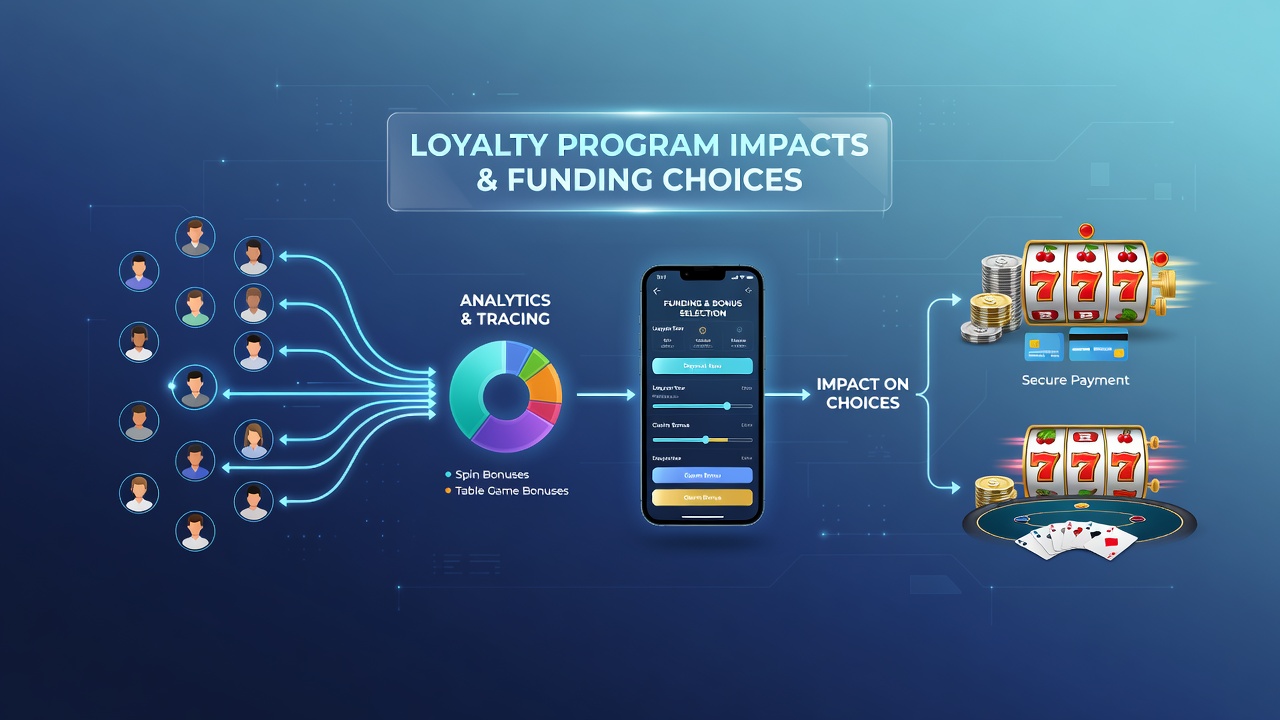
Operators track loyalty program participation closely because these systems directly influence how players select deposit methods when claiming spin and table game bonuses on mobile platforms, and data from multiple jurisdictions shows measurable shifts in funding patterns tied to reward tiers. Researchers note that players at higher loyalty levels often favor payment options offering faster processing or integrated rewards, while lower-tier users tend to stick with familiar methods that align with basic bonus eligibility rules.
Program Structures and Mobile Integration
Loyalty frameworks in mobile casino environments accumulate points based on wager volume across spins and table games, then convert those points into tiered benefits that affect bonus redemption requirements, and this structure creates clear incentives for players to adjust their funding habits accordingly. In September 2026, platform analytics revealed that users who reached mid-tier status increased their use of digital wallets by 18 percent compared with the previous quarter, primarily because those wallets unlocked instant point multipliers on qualifying deposits. Observers note that table game enthusiasts, who typically place larger wagers, respond more strongly to loyalty perks that reduce wagering requirements on table-specific bonuses, prompting a noticeable preference for bank transfers that carry higher per-transaction limits.
Spin-focused players meanwhile show different patterns, frequently selecting prepaid cards or instant credit options that pair with loyalty-driven free spin bundles, and these choices appear in aggregated transaction logs from operators across North America and Europe. Studies from the New Jersey Division of Gaming Enforcement document how loyalty point expiration policies further steer funding decisions, since players accelerate deposits through methods that preserve point value before deadlines.
Funding Method Preferences by Bonus Type
Spin bonuses tied to loyalty programs tend to favor deposit methods with low fees and rapid confirmation, because players aim to maximize the number of rounds they can complete within promotional windows, whereas table game bonuses often involve higher-value deposits that reward methods supporting larger single transactions without additional verification steps. Data indicates that loyalty members using credit cards for table bonuses increased by 12 percent in monitored markets during 2026, driven by reward schemes that grant bonus points on card-funded deposits. Yet prepaid and e-wallet options remain dominant for spin bonuses, especially among users who cycle through multiple smaller deposits to trigger repeated loyalty multipliers.
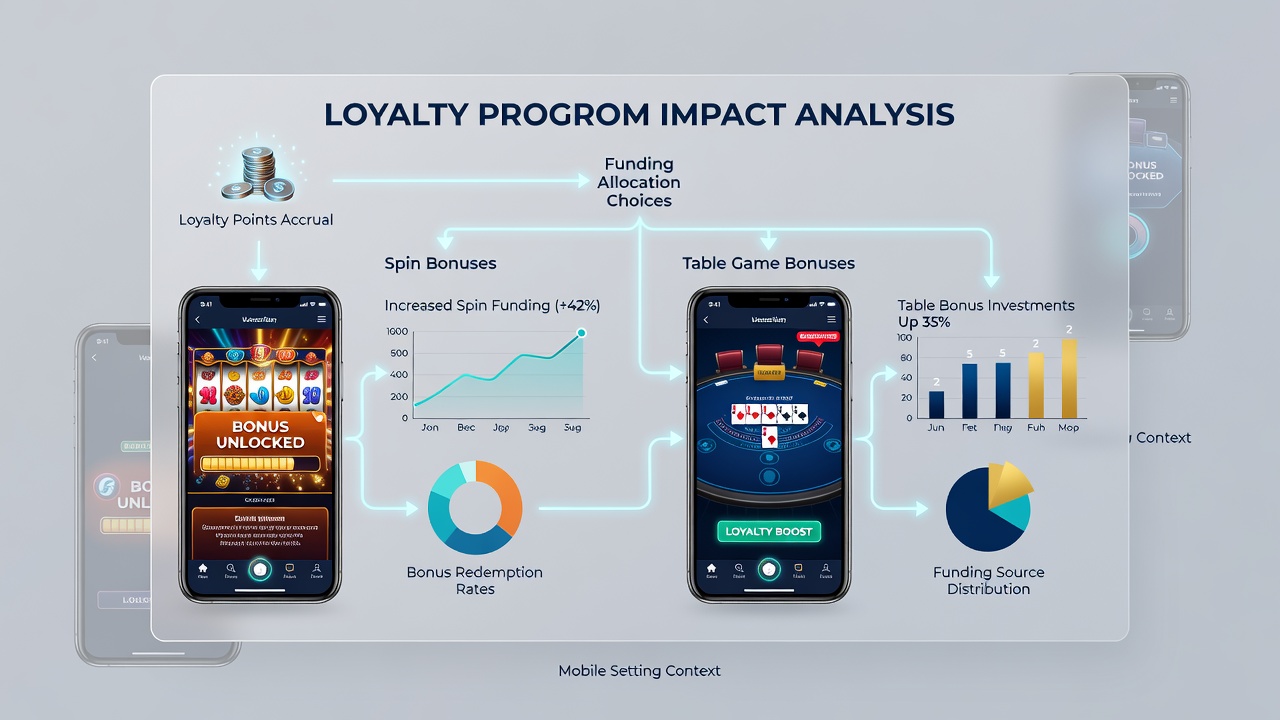
One analysis conducted by the Ontario Lottery and Gaming Corporation found that loyalty-driven campaigns produced distinct funding clusters: spin bonus claimants clustered around instant digital methods, while table game bonus participants spread across wire services and bank-linked apps. These patterns hold across both iOS and Android platforms, although Android users showed slightly higher adoption of loyalty-integrated payment apps in the same dataset.
Regional Variations and Regulatory Context
Regulatory frameworks in different regions shape how loyalty programs link to funding choices, with some markets requiring transparent disclosure of point-earning rates per deposit method, and this transparency influences player behavior by highlighting which options deliver the best long-term value. In Australia, industry reports from the Victorian Commission for Gambling and Liquor Regulation show loyalty participants shifting toward methods that comply with local deposit caps while still earning maximum points. Canadian markets exhibit similar trends, where loyalty structures encourage use of provincially approved payment rails that bundle bonus eligibility with point accrual.
Platform developers respond by embedding loyalty dashboards directly into mobile payment flows, allowing players to preview point gains and bonus compatibility before confirming a deposit. This integration reduces friction and reinforces the connection between chosen funding method and overall reward optimization.
Conclusion
Evidence from transaction records and regulatory filings demonstrates that loyalty programs exert measurable influence on the funding methods players select when pursuing spin and table game bonuses in mobile settings, with effects varying by bonus category, player tier, and regional rules. Continued monitoring by operators and oversight bodies will clarify how these dynamics evolve as mobile platforms introduce new payment integrations and loyalty mechanics.