Regulatory Developments Influencing Cryptocurrency Integration in Mobile Slot Platforms
Jonas Lang · Aug 18, 2026
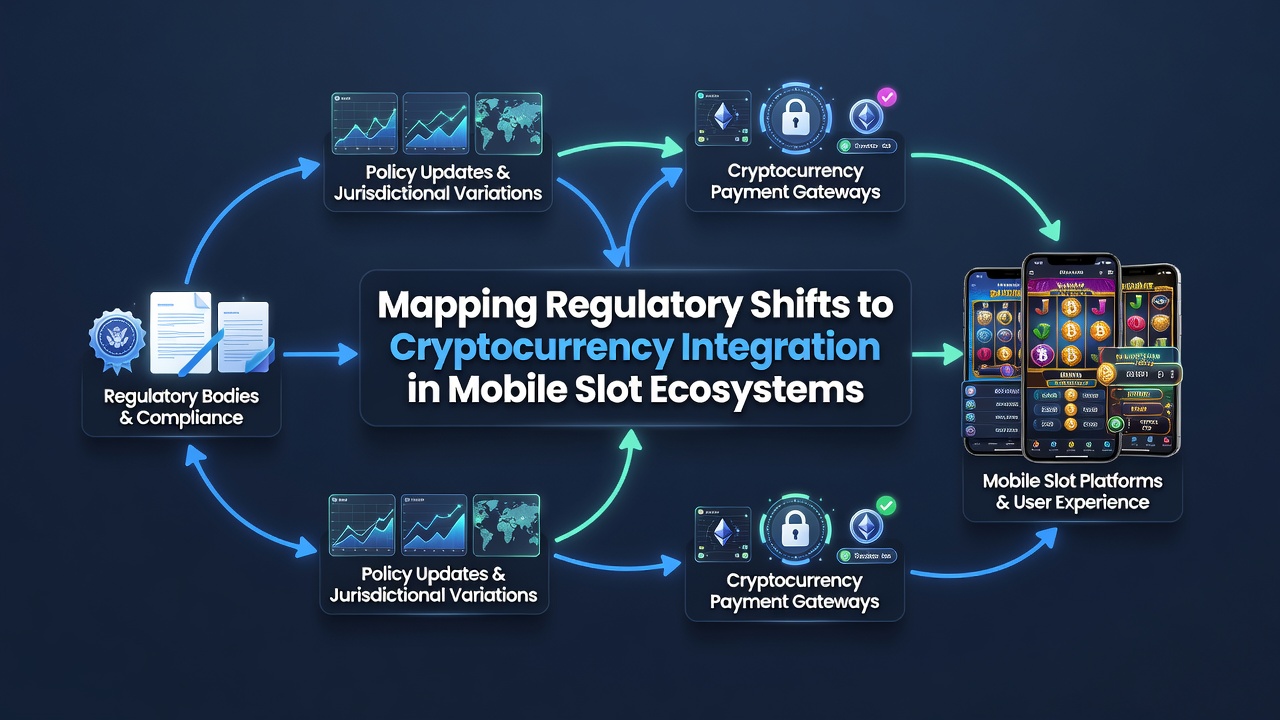
Regulatory Developments Influencing Cryptocurrency Integration in Mobile Slot Platforms
Regulatory bodies across multiple jurisdictions have adjusted frameworks around digital asset usage in online gaming environments, and observers note these changes align directly with increased cryptocurrency adoption rates in mobile slot applications. Data from industry reports indicates that mobile platforms now process a growing share of transactions through blockchain networks, while compliance requirements evolve to address anti-money laundering standards and consumer protections. In several regions, updated licensing conditions require operators to implement real-time verification systems that support both fiat and crypto deposits without disrupting user flow.
Policy Adjustments Across Key Markets
European authorities have introduced guidelines that tie digital currency usage to existing gambling directives, and these rules specify how operators must segregate player funds when crypto wallets are involved. Meanwhile North American state regulators have begun mapping similar requirements onto mobile slot ecosystems, with particular focus on transaction reporting thresholds that trigger audits. Australian oversight bodies released updated position papers in early 2026 that outline reporting obligations for platforms accepting stablecoins, and those documents emphasize audit trails that extend from blockchain ledgers back to player accounts.
Canadian provincial frameworks have also shifted since late 2025, requiring mobile operators to demonstrate that crypto integration does not bypass responsible gaming tools such as deposit limits and self-exclusion lists. These adjustments create parallel compliance pathways where traditional payment rails and decentralized networks must meet identical transparency benchmarks. Research compiled by academic institutions shows that jurisdictions adopting unified standards experience faster operator onboarding of crypto features while maintaining enforcement visibility.
Technical Mapping of Compliance Requirements
Operators now embed wallet screening protocols that cross-reference addresses against sanctioned entity lists before processing slot wagers, and this process occurs within milliseconds to preserve gameplay continuity. Smart contract audits have become standard prerequisites in licensing applications, with regulators requesting evidence that automated payout mechanisms cannot be altered without recorded governance approvals. Data indicates that platforms using multi-signature wallet architectures report fewer compliance incidents compared with single-key systems during the first half of 2026.
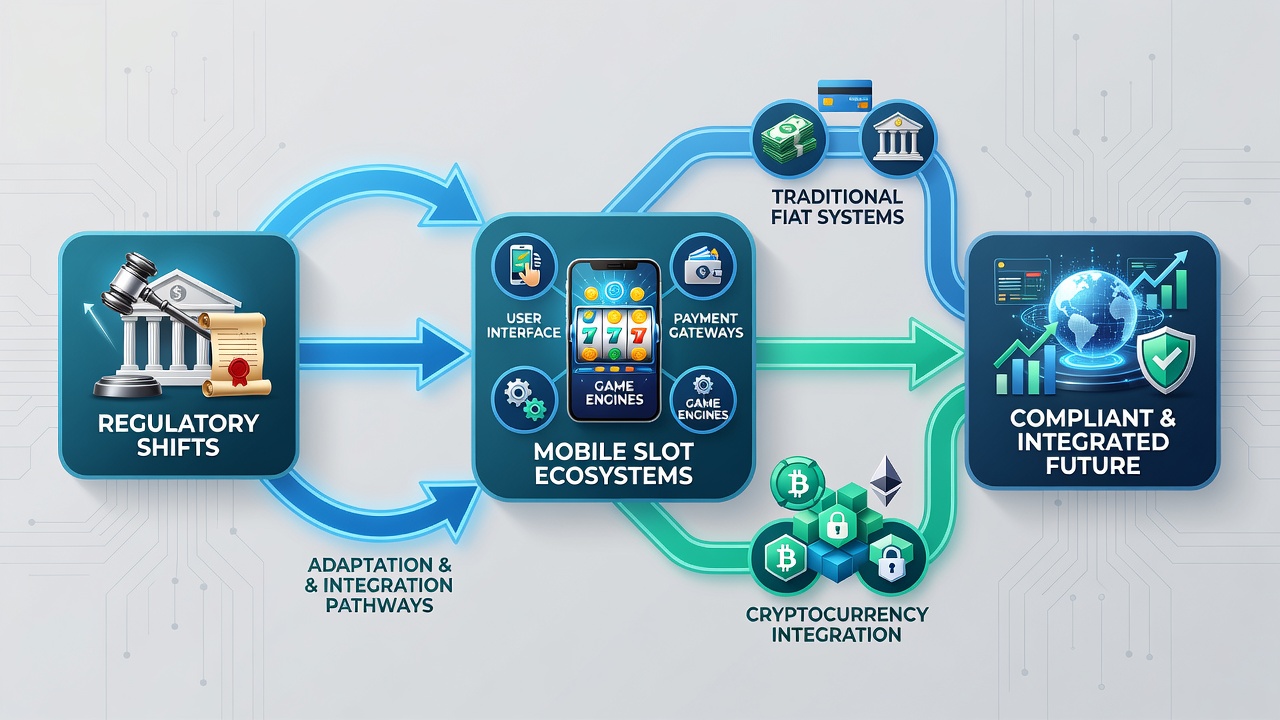
August 2026 marks the implementation date for several harmonized reporting standards in select European markets, and mobile slot providers have already adjusted backend systems to generate consolidated ledgers that regulators can query directly. These changes reduce reconciliation delays that previously arose when mixing fiat and crypto transaction streams. Industry associations have published technical templates that standardize how volatility data for non-stablecoin assets must be disclosed to players at the point of deposit.
Impact on Mobile Platform Architecture
Developers have responded by building modular payment layers that allow rapid swaps between regulatory regimes without full application redeployment. Geofencing logic now incorporates crypto-specific restrictions that activate when a device crosses jurisdictional boundaries, and these controls integrate with existing location services used for age verification. Studies from research centers tracking adoption metrics reveal that platforms with such adaptive architecture maintain higher uptime during regulatory transitions than those relying on static codebases.
Security protocols have expanded to include on-chain monitoring tools that flag unusual betting patterns in real time, and these alerts feed directly into operator compliance dashboards. The result is a tighter coupling between game logic and regulatory reporting pipelines, reducing the lag that once existed between player action and oversight notification.
Conclusion
Regulatory shifts continue to shape how cryptocurrency integrates into mobile slot ecosystems through layered compliance mechanisms, technical standards, and cross-border reporting obligations. Jurisdictions that align their frameworks with blockchain capabilities demonstrate measurable increases in licensed operator participation while sustaining enforcement capabilities. As additional markets finalize their positions through 2026 and beyond, the mapping process between policy updates and platform functionality remains an ongoing operational priority for the sector.