Safety Protocols Guiding Payment Method Selection for Free Spins Redemption in Mobile Live Dealer and Slot Hybrid Platforms with Tiered VIP Structures
Frankie Fischer · Aug 23, 2026
Safety Protocols Guiding Payment Method Selection for Free Spins Redemption in Mobile Live Dealer and Slot Hybrid Platforms with Tiered VIP Structures
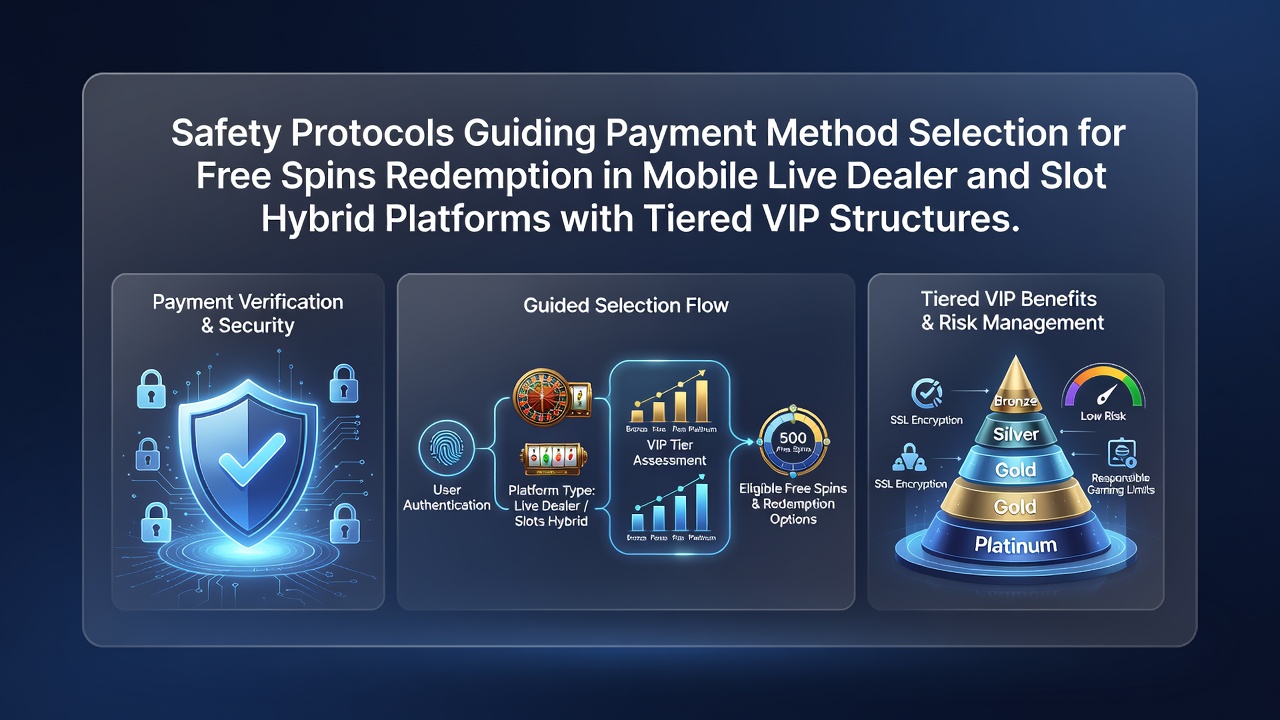
Security measures shape how operators and users approach payment method choices when redeeming free spins on mobile platforms that combine live dealer games with slot mechanics and maintain tiered VIP programs. These protocols address encryption standards, identity verification processes, and transaction monitoring systems that align with regulatory frameworks across multiple jurisdictions.
Platform Characteristics and Redemption Contexts
Mobile live dealer and slot hybrid platforms integrate real-time video streams with automated slot features, which creates distinct requirements for payment handling during free spins redemption. Users progress through VIP tiers based on activity levels, and each tier triggers specific verification thresholds before winnings from free spins convert to withdrawable funds. Research from industry reports shows that platforms operating in August 2026 continue to refine these systems to handle increased mobile traffic while maintaining compliance with data protection rules.
Payment method selection therefore depends on factors such as supported currencies, processing speeds, and compatibility with anti-money laundering checks. Operators apply these criteria uniformly yet adjust them according to VIP status, so higher tiers receive expedited reviews while base-level accounts undergo standard scrutiny.
Core Security Elements in Payment Selection
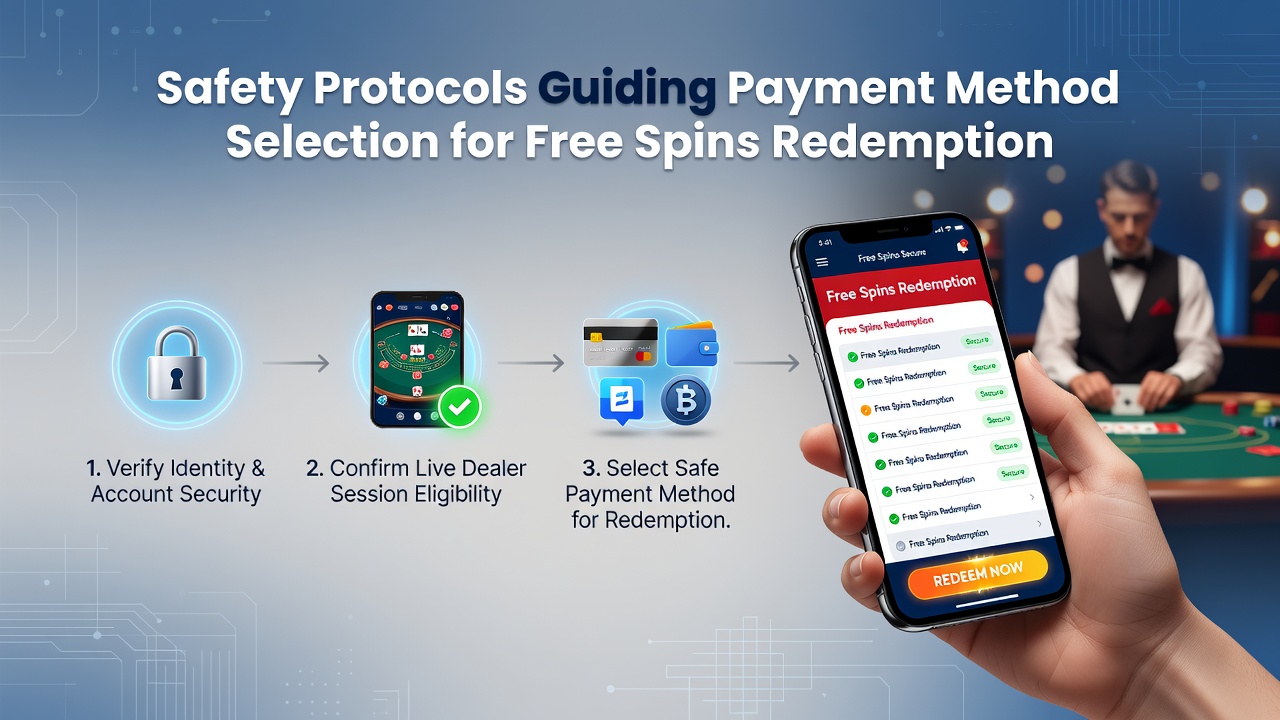
Encryption protocols form the foundation of safe transactions, with platforms requiring TLS 1.3 or equivalent standards for all data exchanges during free spins redemption. Multi-factor authentication combines device recognition, biometric inputs, and one-time codes to reduce unauthorized access risks. According to findings from the European Gaming and Betting Association, these layered controls correlate with lower incident rates across hybrid gaming environments.
Transaction monitoring tools scan for unusual patterns, such as rapid successive redemptions or mismatched account details, before approving withdrawals. These systems integrate with payment gateways that support both traditional banking channels and emerging digital options, yet each method undergoes evaluation against regional licensing conditions. Observers note that platforms document these evaluations to demonstrate adherence to varying legal standards.
VIP Tier Influences on Protocol Application
Tiered VIP structures introduce graduated requirements that affect payment method eligibility. Entry-level users typically face full KYC completion plus source-of-funds declarations for any free spins redemption exceeding set thresholds. Mid-tier participants encounter streamlined processes once initial verification clears, while top-tier accounts access dedicated support channels that expedite reviews without bypassing core security steps.
Data indicates that operators adjust fee structures and minimum withdrawal amounts according to tier status, which influences the practical selection of payment methods. For instance, e-wallet options often receive priority in higher tiers due to faster settlement times, whereas bank transfers remain available across all levels with extended processing windows.
Regulatory Alignment and Geographic Variations
Operators align payment protocols with licensing authorities in different regions to ensure cross-border consistency. The Malta Gaming Authority publishes guidelines that emphasize risk-based approaches to transaction monitoring, while the Nevada Gaming Control Board focuses on technical standards for mobile platforms. These frameworks require documentation of payment method vetting processes, including assessments of provider stability and regulatory standing.
Academic studies from institutions tracking digital gambling trends reveal that platforms update their protocols following regulatory bulletins issued throughout 2026. Such updates often address emerging payment technologies while preserving existing safeguards for free spins redemption workflows.
Implementation Practices Across Hybrid Systems
Staff training programs emphasize recognition of red flags during payment selection, such as discrepancies in user-provided details versus recorded VIP activity. Automated alerts flag potential issues for manual review, and escalation procedures route complex cases to compliance teams. Platforms maintain audit trails that record every decision point in the redemption sequence, which supports both internal reviews and external audits.
Integration between live dealer interfaces and slot mechanics demands synchronized payment systems so that free spins credits convert accurately regardless of game type. This technical alignment reduces errors that could otherwise delay withdrawals or trigger additional verification cycles.
Conclusion
Payment method selection for free spins redemption on mobile hybrid platforms operates under structured safety protocols that incorporate encryption, verification, and monitoring tailored to VIP tiers. Regulatory bodies in multiple regions supply the overarching requirements that operators translate into platform-specific procedures. Continued refinement of these measures reflects ongoing adaptation to technological and legal developments as observed through 2026.